

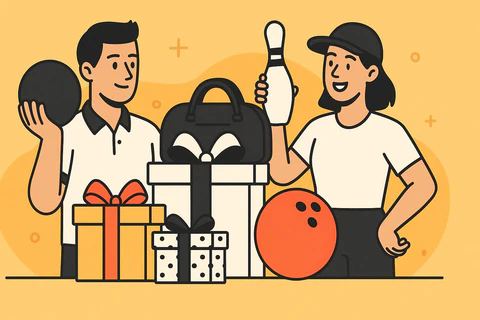
Bowling is one of those rare sports that lives in two worlds at once. It’s competitive, sure—there are leagues, tournaments, and serious bragging rights on the line. But it’s also social, almost meditative. The rhythm of the game, the clatter of pins, the quiet satisfaction of a clean release—it’s a ritual as much as a sport. And like any ritual, it’s shaped by the tools you bring with you.
Most people think the ball is the whole story. And yes, it’s the centerpiece. But the truth is, your bowling ball is only as good as the gear that supports it. The accessories in your kit—the towel you use between frames, the tape that keeps your grip just right, the shoes that help you slide into your delivery—they’re the unsung heroes of every solid game.
Whether you’re just starting to build your bowling setup or you’ve been chasing that elusive 300 for years, the right accessories can quietly transform your game. Not in flashy, obvious ways, but in the small, consistent details that add up over time. This isn’t about looking like a pro. It’s about bowling smarter, staying comfortable, and protecting your gear—and your body—so you can keep playing for years to come.
Why Accessories Aren’t Just Extras
There’s a reason seasoned bowlers talk about their accessories with the same reverence they give their bowling balls. These items aren’t just add-ons—they’re part of the system. They help with consistency, comfort, and performance. And they often solve problems you didn’t even realize you had until they were gone.
Take wrist fatigue, for example. It’s not something you notice until your form starts slipping halfway through a session. Or the way a ball behaves differently after a few games because it’s picked up oil from the lane. These are the kinds of issues that accessories are designed to prevent or fix. And once you’ve felt the difference, it’s hard to go back.
There’s also the matter of longevity. Bowling gear isn’t cheap. A good ball, a solid pair of shoes—these are investments. Accessories help protect those investments. A shammy pad keeps your ball clean. Shoe covers keep your soles dry. A ball bag with proper padding prevents dings and scratches. It all adds up.
And then there’s the mental side. Having your kit dialed in—knowing your grip is right, your ball is clean, your shoes are sliding just the way you like—gives you confidence. And confidence, in bowling, is everything.
Essential Bowling Accessories That Belong in Every Bag
Bowling Ball Cleaner
Every lane you bowl on leaves a mark. Literally. Oil patterns, dust, and grime cling to your ball after every frame, slowly dulling its reaction and reducing its hook potential. A good cleaner helps reset your ball’s surface, keeping it responsive and consistent.
Spray cleaners like Storm Reacta Clean or Hammer Clean N’ Dull are popular for a reason—they’re easy to use and approved by the USBC. Wipes are convenient for quick cleanups, especially during tournaments. Just don’t wait until your ball feels off. Clean it after every session. It’s a habit that pays off.
Shammy Pad or Microfiber Towel
There’s a reason you see bowlers wiping down their ball between every shot. It’s not superstition—it’s science. Oil buildup affects how your ball reads the lane. A leather shammy pad is the gold standard for removing oil and restoring surface tackiness. Microfiber towels are a solid backup, especially for quick cleanups.
Keep one in your pocket or on your ball return. Use it religiously. Your ball will thank you.
Bowling Shoes
If you’re still renting shoes, you’re playing a different game. Rental shoes are inconsistent, worn down, and—let’s be honest—kind of gross. Investing in your own pair changes everything.
Look for shoes with interchangeable soles and heels, like those from Dexter, KR Strikeforce, or 3G. These let you adjust your slide based on lane conditions, which is a game-changer once you start noticing the difference. And clean them. A dirty sole can throw off your timing faster than you’d think.
Bowling Ball Bag
Whether you’re carrying one ball or three, a good bag makes life easier. For casual bowlers, a single-ball tote with a shoe compartment might be enough. But if you’re in a league or traveling to tournaments, a roller bag with space for accessories, shoes, and even a snack stash is worth the investment.
Durability matters. Look for reinforced handles, smooth-rolling wheels, and padded interiors. Brands like Storm, Brunswick, and MOTIV make bags that can handle the wear and tear of regular use.
Wrist Support or Brace
Wrist braces aren’t just for injuries—they’re for control. They help you maintain a consistent hand position, which leads to more accurate releases and better hook control. Some are rigid and fixed; others are adjustable so you can fine-tune your release angle.
If your wrist gets tired mid-game or your release feels inconsistent, a brace might be the quiet fix you didn’t know you needed.
Bowling Tape
Fit matters. A lot. And your fingers don’t stay the same size throughout a session. Bowling tape helps you adjust the fit of your ball’s holes on the fly. Thumb tape (usually white or black) can be layered inside the hole, while textured finger tape adds grip and protection.
It’s one of those small things that makes a big difference—especially when your thumb starts sticking or slipping at the worst possible moment.
Grip Sack or Rosin Bag
Humidity, sweat, nerves—whatever the cause, slippery hands are a problem. A grip sack or rosin bag keeps your hands dry and your grip consistent. Some are filled with rosin, others with drying agents like silica or clay.
They’re small, cheap, and easy to toss in your bag. And once you start using one, you’ll wonder how you ever bowled without it.
Finger Inserts
Finger inserts—those soft, rubbery sleeves inside the finger holes—add comfort, control, and consistency. They’re especially helpful for fingertip grips, giving you a better feel and a cleaner release.
They wear out over time, so check them regularly. Replacing them is easy with a bit of glue and a steady hand—or just ask your local pro shop to handle it.
Slide Powder and Shoe Brush
Lane approaches can be unpredictable. One day they’re slick, the next they’re sticky. Slide powder helps you glide when the approach is tacky. A shoe brush roughs up your sole for more traction when things get too slick.
Use these tools sparingly and responsibly. Too much powder can be dangerous—not just for you, but for everyone else on the approach. Always follow house rules.
Ball Polish and Abrasive Pads
Surface adjustments can completely change how your ball reacts. Polishes make the ball skid longer and hook later. Abrasive pads (like 500 to 4000 grit) create more surface texture, helping the ball read earlier on oily lanes.
Products like the CTD Surface Kit let you do this at home. Just keep track of what you’ve done—surface changes are easy to forget but can drastically affect performance.
Bowling Glove
Not everyone uses a glove, but for those who do, it’s about grip and support. Some gloves come with built-in wrist support; others are more about tactile feel and added friction.
Fit is everything. Try a few styles to see what feels right. And if it starts to smell like a gym bag, wash it. Your teammates will thank you.
Ball Cup or Holder
Cleaning or polishing your ball without a ball cup is like trying to wash your car without a hose—it’s possible, but unnecessarily difficult. A ball cup keeps your ball stable while you work on it. It also keeps it from rolling off tables or shelves.
They’re cheap, lightweight, and one of those things you don’t think about until you really need it.
Shoe Covers
Bowling shoes are sacred. Step in a puddle on your way to the snack bar, and your next frame could be a disaster. Shoe covers protect your soles from moisture, dirt, and whatever else is lurking around the alley.
They’re especially useful during tournaments when you’re moving between lanes or walking through unfamiliar areas. Just slip them on and keep your slide intact.
Spare Ball
No single ball can do it all. A spare ball—usually plastic or urethane—helps you shoot straight at corner pins without worrying about hook. It’s also useful on dry lanes where your reactive ball might overreact.
If you’re serious about improving, building a small arsenal is worth considering. Just make sure your bag—and your back—can handle the extra weight.
First Aid Kit
Blisters, cuts, sore fingers—it happens. A small first aid kit with bandages, athletic tape, and maybe a couple of ibuprofen can be a lifesaver during long sessions or league nights.
It doesn’t have to be fancy. Just functional. And it’s one of those things you’ll be glad you packed when you actually need it.
Extras That Are Nice to Have (But Not Essential)
Once you’ve got the basics covered, there are a few extras that can make your life easier—or just more fun:
- Bowling score tracking app – Keep tabs on your stats, progress, and trends over time.
- Ball surface scanner – For the gearheads who want to know exactly what grit their ball is at any given time.
- Custom thumb slugs – For a consistent feel across multiple balls in your arsenal.
These aren’t must-haves, but they’re worth exploring as you get deeper into the sport.
Building a Kit That Works for You
Start small. You don’t need everything on this list right away. If you’re bowling once a month with friends, a towel and your own shoes might be enough. But if you’re in a league or thinking about tournaments, investing in quality gear makes a difference.
Look for bundle deals online or at your local pro shop. Sites like Bowling.com and Buddies Pro Shop often have discounts on accessories. And don’t overlook secondhand gear—many bowlers upgrade regularly and sell gently used items at a fraction of the cost.
Gear That Grows with Your Game
Bowling is a sport that evolves with you. The more you play, the more you learn about your style, your preferences, and your needs. Your accessory kit should reflect that. It’s not about having the most stuff—it’s about having the right stuff for your game.
So whether you’re chasing your first strike or your first perfect game, take the time to build a kit that supports you. And if you’ve got a favorite accessory or a weird little trick that’s saved your game more than once, share it. Bowling is better when we learn from each other.
Common Questions About Bowling Accessories
How often should I replace my accessories?
It depends. Towels and shammies can last several months with regular washing. Finger inserts and tape should be replaced when they show wear. Cleaners and polish last longer but check expiration dates. Shoes and bags can last years with proper care.
Are all these accessories necessary for beginners?
Not at all. Start with the basics—your own shoes, a towel, and a ball cleaner. As your game evolves, you’ll naturally figure out what else you need. Accessories are about solving problems, and you won’t know what those are until you start playing regularly.
What’s the best accessory to invest in first?
If you’re just getting started, your own pair of bowling shoes is a game-changer. Add a microfiber towel or shammy pad, and you’re already ahead of the curve.
