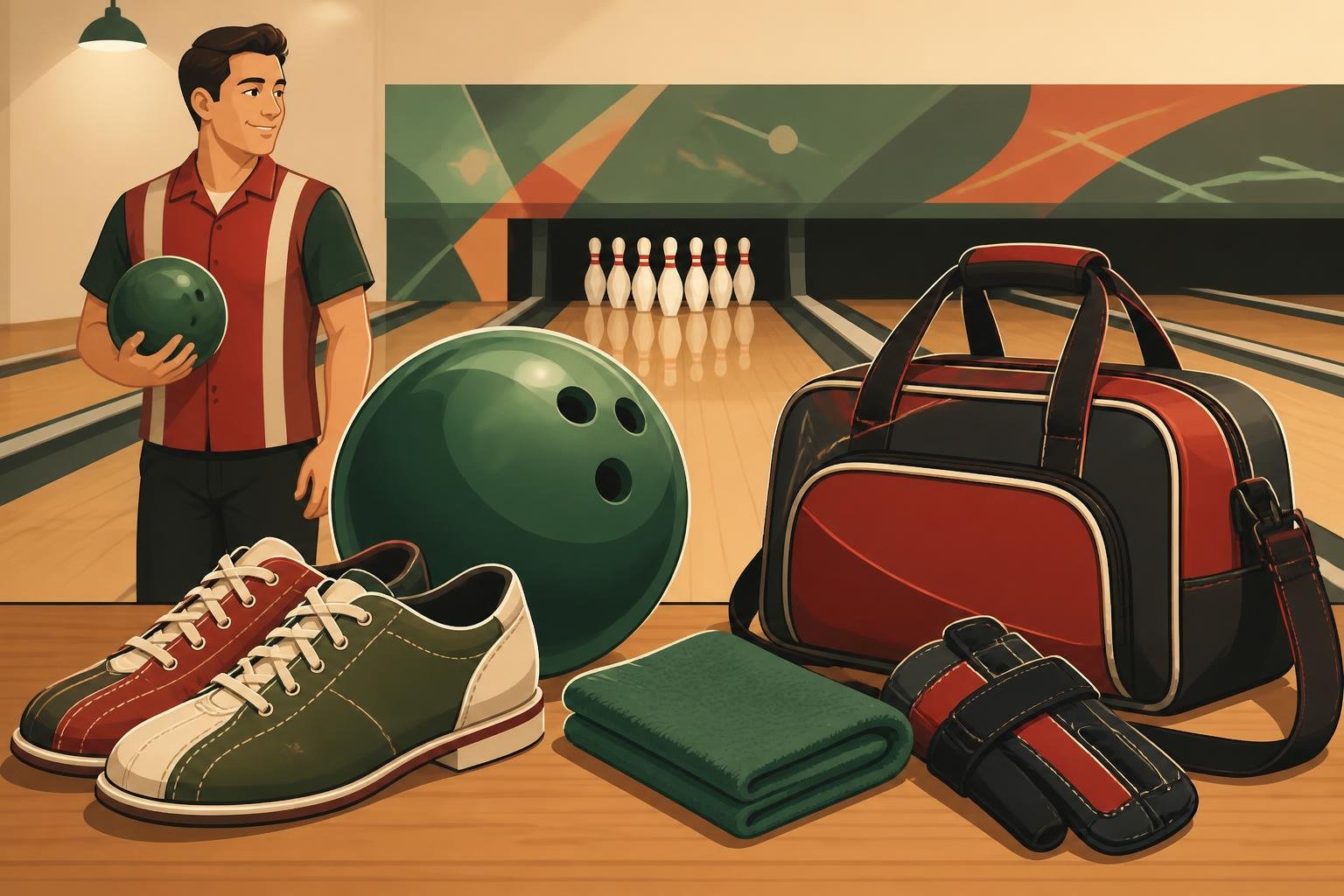
Walk into any bowling center on league night and you’ll see it happen almost unconsciously. A player steps off the approach, reaches into their bag, grabs a towel, and gives the ball a careful wipe. Sometimes it’s quick. Sometimes it’s almost meditative. Then they set up, take a breath, and throw.
It looks like a habit. In reality, it’s maintenance. And in modern bowling, maintenance is performance.
Lane oil—technically called lane conditioner—exists to protect the lane surface. But it also shapes everything about ball motion. It determines where the ball skids, where it reads friction, and how hard it turns the corner. As oil patterns break down and transition from frame to frame, the only thing more important than your release might be how well you manage what’s collecting on your ball.
That’s where the long-running debate enters: microfiber bowling towel or bowling ball shammy? If you’ve spent time around competitive players, you’ve seen both. Some bowlers swear by microfiber. Others won’t bowl a single frame without a leather shammy in hand. And many carry both, quietly adjusting based on the condition.
This guide takes a deep, practical look at microfiber vs shammy—how each works, how they affect ball reaction, how to choose the right option for your game, and how to build a maintenance routine that supports consistent scoring.
Why Lane Oil Is the Invisible Opponent
What Lane Oil Actually Does
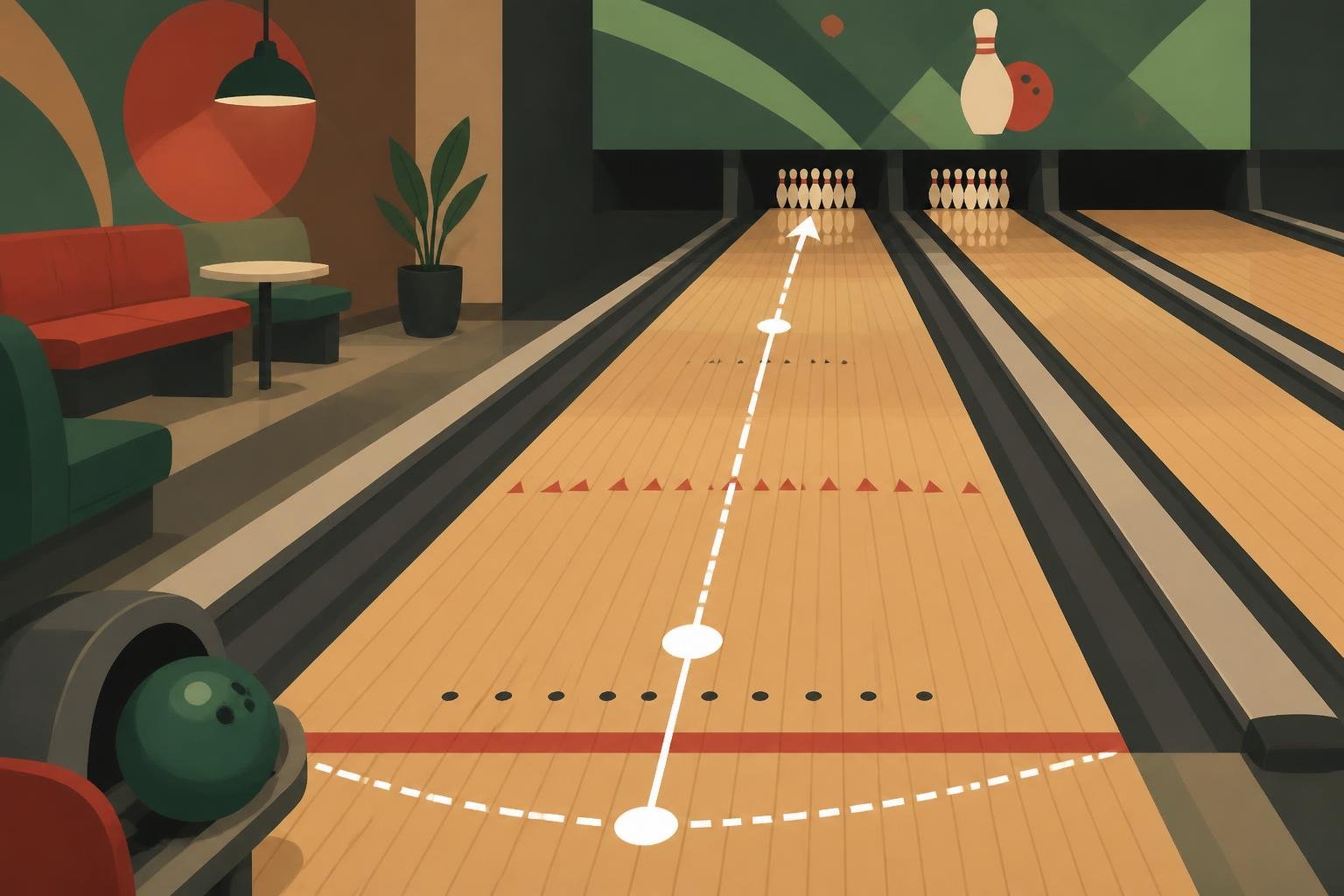
Lane oil isn’t random. It’s applied in patterns—house, sport, and challenge—each designed to create a specific scoring environment. The oil protects the lane surface from wear, especially in the first 20–30 feet, where balls make their initial contact.
But oil is also strategic. A typical house shot has more oil in the middle and less outside, helping guide the ball back toward the pocket. Sport patterns, governed by organizations like the United States Bowling Congress, are flatter and less forgiving. They demand precision.
Every reactive resin ball on the rack today is engineered to interact with that oil. Manufacturers such as Storm Bowling and Brunswick design porous coverstocks that absorb oil and create friction once they encounter dry boards. That absorption is part of the hook equation. But unmanaged absorption? That’s where problems start.
What Happens When You Don’t Remove Oil
If you skip wiping your ball between shots, here’s what tends to happen over time:
- The coverstock absorbs oil more quickly and deeply.
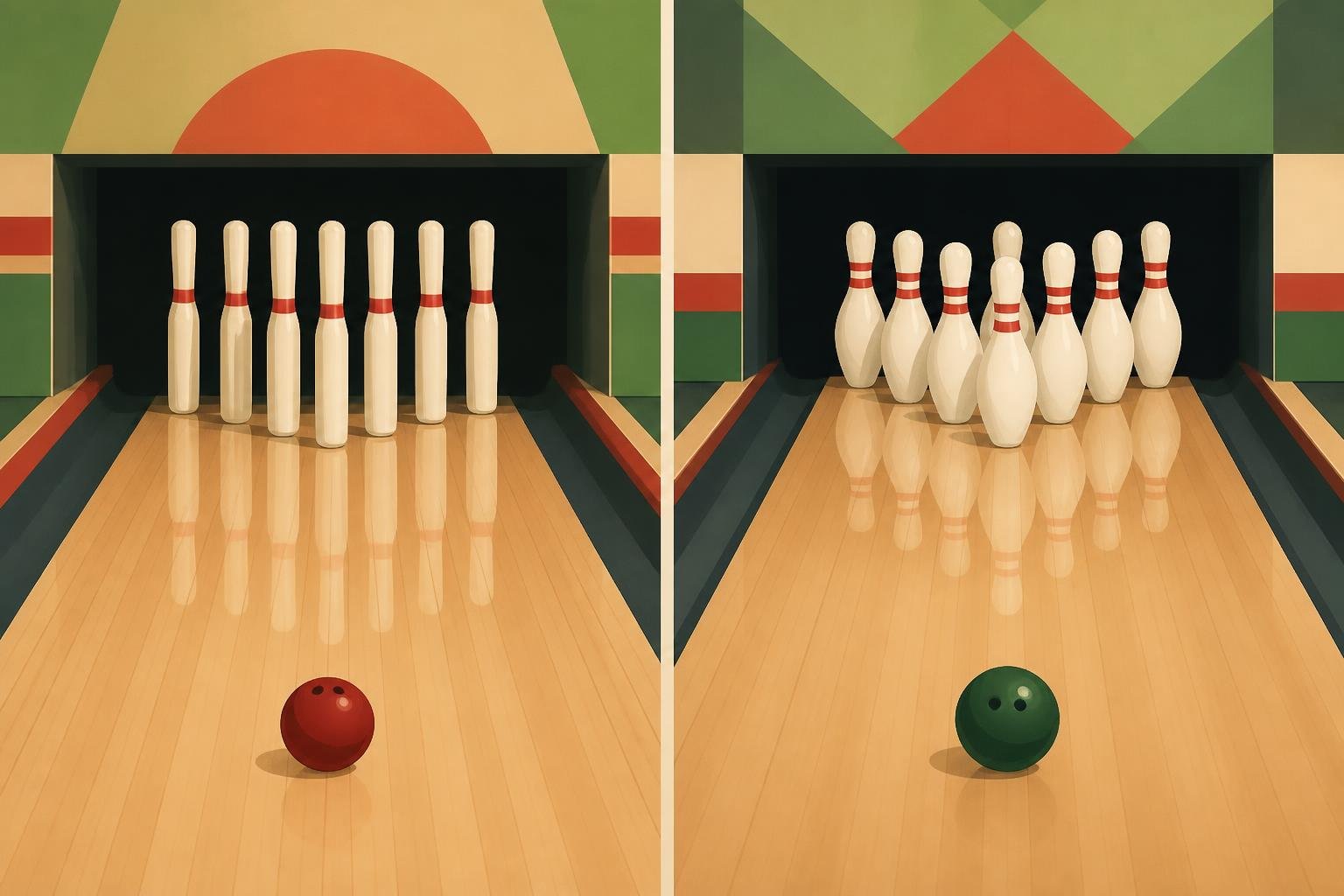
- The ball skids farther downlane than expected.
- Backend motion weakens or becomes inconsistent.
- Carry percentage drops, especially on light pocket hits.
And here’s the tricky part: you won’t always notice immediately. The reaction change can be subtle—just enough to miss a breakpoint by a board. That’s when bowlers start second-guessing their hand position or alignment, when the real issue might be surface oil.
Transition: The Moving Target
As games progress, oil moves. Balls remove conditioner from high-traffic areas and push it farther down the lane. This transition is why your ball reaction in the third game rarely matches the first.
Wiping the ball doesn’t stop transition. But it stabilizes one variable: the amount of oil on your coverstock. In a sport measured in boards and revolutions, removing one variable matters.
Microfiber Bowling Towels: The Modern Standard
How Microfiber Works
Microfiber towels are typically made from a blend of polyester and polyamide. The fibers are extremely fine—far thinner than human hair—which increases surface area and helps trap oil instead of pushing it around.
When you wipe your ball with microfiber, you’re removing surface oil and some debris. It’s efficient, lightweight, and easy to maintain.
Strengths of Microfiber Towels
- Affordable and widely available
- Machine washable and easy to replace
- Soft texture that won’t alter surface finish
- Ideal for league play and lighter oil conditions
For beginners and recreational league bowlers, a quality microfiber bowling towel is more than sufficient. It promotes good habits without adding complexity.
Where Microfiber Falls Short
In longer sessions or heavier oil volumes, microfiber can become saturated. Once saturated, it loses efficiency. You may still be wiping—but not removing as much oil as you think.
And that’s where competitive players often turn to something more aggressive.
Bowling Ball Shammies: Built for Absorption
Leather Shammy Explained
A bowling ball shammy—most commonly made from natural leather—is designed for deeper oil removal. Leather has a natural grip and texture that pulls oil from the microscopic pores of reactive resin.
Unlike microfiber, which primarily handles surface oil, a leather shammy can extract more oil per wipe. In tournament environments, that difference becomes noticeable by game two or three.
Synthetic Shammy Options
Synthetic shammies aim to replicate leather’s absorption while offering a more uniform feel. Some players prefer them because they’re slightly softer and may require less break-in time.
Performance varies by brand and construction, but the goal is the same: stronger oil extraction between shots.
Why Competitive Bowlers Prefer Shammies
Watch a PBA broadcast and you’ll see leather shammies everywhere. That’s not an accident. In multi-game blocks on demanding patterns, consistency is everything.
A shammy:
- Removes more oil per shot
- Delays saturation of the coverstock
- Helps maintain sharper backend reaction
- Performs reliably in heavy oil conditions
It’s not about trends. It’s about control.
Microfiber vs Shammy: The Real Differences
Oil Removal Efficiency
This is the core distinction. Microfiber wipes. Leather shammies extract. Over a single frame, the difference may be minimal. Over three games, it can translate into a stronger, more predictable move off the friction.
Effect on Ball Reaction
Because shammies remove more oil, many players report a slightly earlier read and more defined backend motion compared to microfiber alone. That said, a clean microfiber towel used consistently can still provide reliable reaction—especially on house shots.
Durability and Cost Over Time
Microfiber towels are inexpensive but may need replacement more often. Leather shammies cost more upfront but often last longer under heavy use. Over time, cost per use tends to balance out.
Maintenance Differences
Microfiber requires regular washing—without fabric softener, which clogs fibers and reduces absorbency. Air drying is safest.
Leather shammies should not be soaked. Light brushing or surface cleaning is usually sufficient. Once the texture smooths out and oil removal declines, it’s time to replace it.
How to Choose the Right Option for Your Game
Skill Level and Competitive Goals
If you’re new to bowling, start simple. A quality microfiber bowling towel builds good habits without overwhelming you.
If you bowl league weekly and track your ball motion carefully, adding a shammy can provide an edge—especially in later games.
And if you compete in tournaments or sport patterns, a leather shammy is often the standard tool.
Oil Volume and Pattern Type
On lighter house shots, microfiber is typically enough. On heavier patterns or flatter sport conditions, stronger oil removal becomes more valuable.
If you notice your ball skidding farther than expected late in a block, oil management may be the missing piece.
Frequency of Play
Bowl once a month? Microfiber is practical and economical. Bowl multiple times per week? Investing in a high-quality shammy makes sense.
Feel and Routine
This part doesn’t get discussed enough. Texture matters. Some players prefer the firm grip of leather. Others like the glide of microfiber. If it feels awkward, you won’t use it consistently—and consistency is the point.
How to Properly Use a Bowling Towel or Shammy
Wipe Before Every Shot
Most competitive bowlers wipe their ball before every delivery. It’s allowed in certified play as long as you’re only removing surface oil.
Make it automatic. Pick up the ball, rotate it fully, wipe evenly. No rushing.
Cover the Entire Surface
Don’t just wipe the visible track. Oil spreads beyond the flare rings. Rotate the ball and apply light, consistent pressure across the entire coverstock.
Pair In-Game Wiping with Deep Cleaning
A towel or shammy removes surface oil. It does not replace approved ball cleaners. After sessions, use a USBC-approved cleaner to remove deeper oil and debris. Periodic resurfacing and oil extraction—often called “detoxing”—can restore lost performance.
Common Mistakes That Quietly Hurt Performance
- Using a saturated towel for multiple games without rotating or replacing it
- Skipping wipes during practice but expecting consistent reads
- Storing damp towels in sealed compartments
- Assuming ball reaction changes are always release-related
Small lapses add up. Bowling rewards detail.
Building a Simple, Repeatable Maintenance Routine
You don’t need a complicated system. A practical routine looks like this:
- Wipe the ball thoroughly before every shot.
- Rotate between two towels during longer sessions.
- Clean the ball with approved cleaner after play.
- Schedule periodic deep cleaning and resurfacing as needed.
That’s it. Nothing dramatic. Just consistent.
Questions Bowlers Often Ask
Is a shammy better than microfiber?
For heavy oil and tournament play, often yes. For casual league play, microfiber is usually sufficient.
Can I carry both?
Absolutely. Many players use a shammy for in-game oil removal and microfiber for general cleaning.
How often should I replace them?
Replace microfiber when it loses absorbency or frays. Replace shammies when the surface smooths and oil removal drops.
Do professionals use microfiber?
Most professionals use leather shammies during competition, though many also carry microfiber towels in their bags.
The Small Habit That Supports Bigger Scores
There’s something reassuring about a repeatable ritual. Wipe the ball. Set your feet. Focus on the target. Throw.
A bowling towel won’t fix a flawed release. A shammy won’t turn a missed spare into a strike. But managing oil removes a layer of unpredictability. It keeps your ball reaction closer to what you expect. And expectation breeds confidence.
Try both microfiber and shammy during practice. Pay attention to how your ball reacts in game three compared to game one. Notice whether backend motion stays sharp or fades. Let the reaction—not brand loyalty—guide your choice.
In bowling, progress often comes from controlling the small things. Oil management is one of them. And sometimes, the difference between guessing and knowing is just a towel in your hand.