There’s a particular kind of frustration in bowling that only bowlers understand. You make a good swing. You hit your target. And still, the ball skids a little longer than it should. Or it rolls out early. Or your wrist just… gives out halfway through game three.
It doesn’t feel dramatic. It feels small. But bowling is a sport of small things. A slightly soft wrist. A thumb that sticks for half a second. A palm that gets slick under bright center lights. Those tiny variables add up, frame after frame.
That’s where bowling gloves come in. Not as a shortcut. Not as a substitute for mechanics. But as a way to control two of the most important variables in the game: grip and wrist position.
This guide covers everything you need to know about bowling gloves in 2026 — from wrist support technology and material science to how gloves work alongside tools like a bowling ball shammy and microfiber towel. Whether you’re a league regular, a tournament player, or someone trying to break 200 consistently, this is a complete, field-tested look at what actually matters.
Why Bowling Gloves Matter More Than Most Players Realize
Grip Consistency in an Oil-Heavy Environment
Modern reactive resin bowling balls are designed to absorb oil. That’s part of what gives them hook potential. But it also means oil transfers — to your track area, to your thumb hole, and yes, to your hand.
Even in climate-controlled centers, hands sweat. Nerves don’t help. And once your palm gets slick, the natural instinct is to squeeze the ball. That squeeze changes timing. It tightens your forearm. It alters release rotation.
A quality bowling glove increases friction between your hand and the ball without requiring extra grip pressure. Textured palms, leather surfaces, or tack-enhancing synthetic blends reduce micro-slippage at the release point. That means you can keep your hand relaxed — and relaxed hands release the ball better.
Wrist Position and Energy Transfer
Your wrist is the hinge of your release. A firm, slightly cupped wrist helps transfer energy into the ball, increasing rev rate and improving entry angle. When the wrist collapses — especially late in a set — ball motion changes immediately.
Wrist support bowling gloves limit hyperextension and reduce backward break at the bottom of the swing. Many models use metal or composite support plates to stabilize the joint without completely locking it in place.
And this isn’t just anecdotal. Organizations like the United States Bowling Congress (USBC) outline how equipment consistency plays a central role in performance. Your hand is part of that equipment chain.
Reducing Fatigue Over Long Sets
League night is one thing. Tournaments are another. Six, eight, sometimes twelve games in a day will expose weaknesses in wrist strength and endurance.
A supportive glove doesn’t just help your first game — it helps your last one. That stability can be the difference between holding pocket late in the block or watching your ball deflect weakly through the pins.
Understanding the Different Types of Bowling Gloves
Basic Grip Gloves
Grip-focused gloves are lightweight and flexible. They enhance contact with the ball but don’t include rigid wrist inserts.
They typically feature:
- Textured or tacky palm material
- Breathable mesh backing
- Light finger support
These are ideal for beginners, casual bowlers, or players who simply struggle with sweaty hands. They preserve natural wrist motion while improving release consistency.
Structured Wrist Support Gloves
This is where things get more technical. Wrist support gloves include reinforced backing — often metal or high-density composite inserts — that stabilize the wrist joint.
They are commonly used by:
- High-rev “cranker” style bowlers
- Players recovering from wrist strain
- Competitive league and tournament bowlers
If you watch professional events through the Professional Bowlers Association (PBA), you’ll frequently see structured wrist devices in use. They’re not about style. They’re about repeatability under pressure.
Convertible and Adjustable Support Gloves
Some gloves allow you to remove or adjust the support insert. That flexibility is valuable for players refining their mechanics. Practice with less restriction. Compete with more support.
It’s a practical middle ground — especially for intermediate players whose release is evolving.
Gloves for Two-Handed and Youth Bowlers
Two-handed bowlers typically generate revs differently and don’t rely on traditional wrist cupping in the same way. For them, grip enhancement and skin protection matter more than rigid support.
Youth gloves are designed with flexibility in mind. Over-restricting a developing wrist can interfere with natural strength building, so lighter materials and softer support systems are preferred.
Key Features to Evaluate Before Buying
Material Quality and Durability
Leather palms offer natural tack and tend to improve with use. Synthetic palms often prioritize breathability and lighter weight. High-end models combine both.
Pay attention to stitching near the thumb and base of the palm — common failure points. If you bowl multiple times a week, reinforced seams are worth it.
Support Strength and Adjustability
Not all wrist support is equal. Some gloves provide mild reinforcement. Others are nearly rigid.
Look for:
- Dual-strap closure systems
- Replaceable or adjustable inserts
- Secure but comfortable compression
The goal is stability, not numb fingers.
Ventilation and Moisture Management
Mesh panels and moisture-wicking liners are more than comfort features — they preserve grip integrity. A glove soaked from the inside defeats its purpose.
Fit and Sizing Precision
A bowling glove should fit snugly across the palm and wrist. Too loose, and it shifts mid-swing. Too tight, and circulation suffers.
Measure around your knuckles (excluding the thumb) and follow the manufacturer’s sizing chart exactly. Sizing up “just in case” usually creates problems.
Best Bowling Gloves 2026: What Defines a Top Performer
Best Overall Category
The strongest all-around gloves balance grip, moderate support, and breathability. They typically include hybrid palm materials, adjustable wrist straps, and removable inserts.
These gloves suit most league bowlers — enough support for consistency, enough flexibility to maintain feel.
Maximum Wrist Support Models
Designed for aggressive styles and high rev rates, these gloves prioritize rigidity. Expect reinforced metal backing and firm compression.
They help:
- Maintain wrist cup through release
- Increase rev potential
- Reduce late-session wrist collapse
Budget-Friendly Options
Entry-level gloves focus on grip enhancement over structural support. They’re effective for players who primarily need moisture control and added palm traction.
You don’t need a premium model to improve release consistency.
Premium Performance Gloves
High-end models incorporate ergonomic shaping, reinforced durability zones, and advanced moisture-wicking fabrics. They’re built for heavy weekly use and tournament environments.
If you bowl more than a few games per week, durability alone may justify the investment.
Best for Sweaty Hands
If perspiration is your main issue, prioritize airflow and interior lining quality over rigid support. Leather palms paired with ventilated backing tend to perform best under bright lights and long sets.
Bowling Shammy vs Towel: Why Both Still Matter
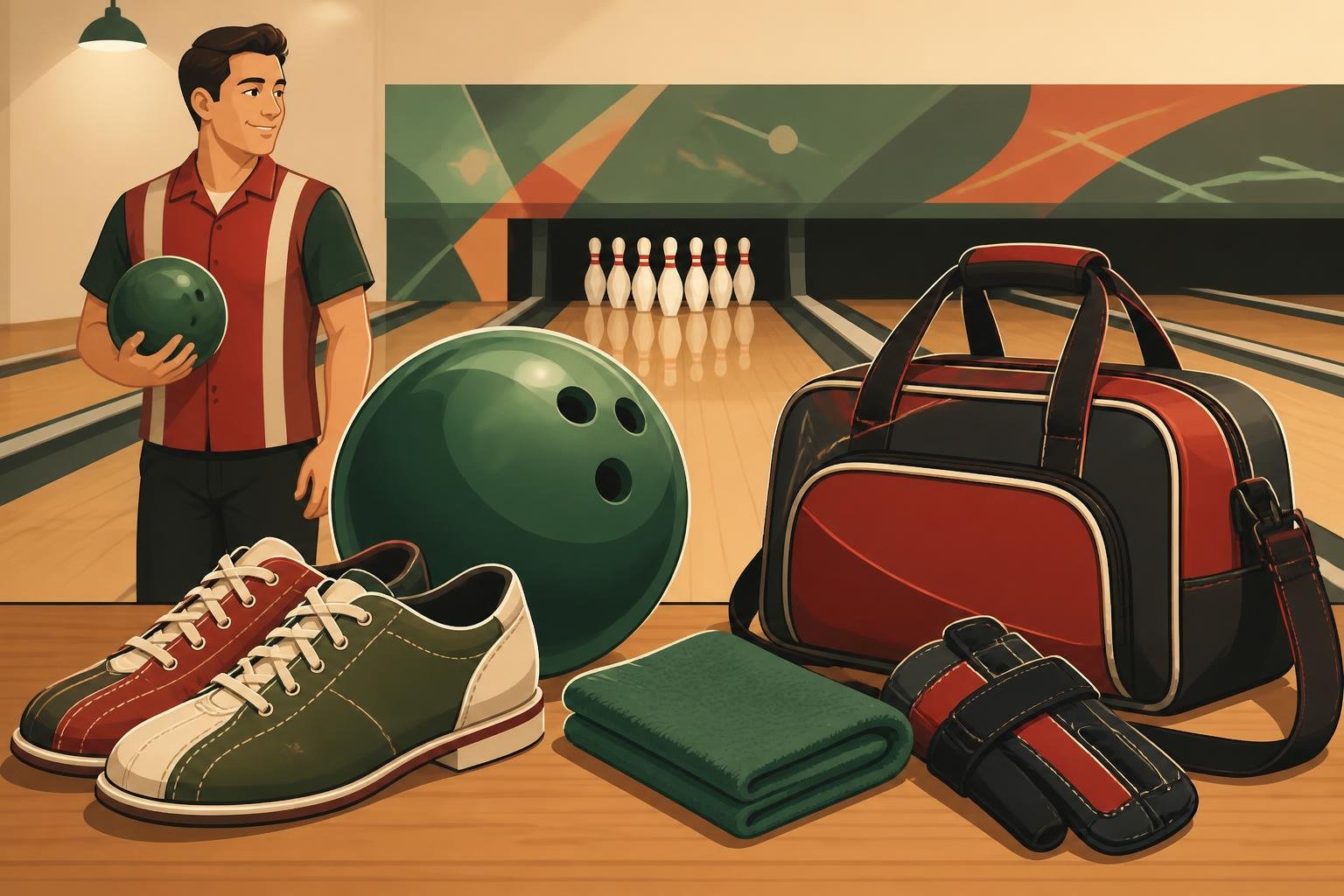
A bowling glove stabilizes your hand. But ball surface maintenance is the other half of the equation.
What a Bowling Ball Shammy Does
A shammy — typically leather or oil-absorbing synthetic — removes lane oil from the ball’s surface between shots. Oil buildup reduces friction and alters reaction shape.
According to equipment guidelines from the USBC equipment specifications, maintaining surface condition is central to predictable performance.
Where Microfiber Bowling Towels Fit In
Microfiber towels are versatile. They’re excellent for wiping hands, cleaning grips, and removing light debris. They’re washable and affordable.
But they don’t pull embedded oil from reactive resin the way a leather shammy does.
How Gloves, Shammies, and Towels Work Together
Experienced bowlers often follow a simple routine:
- Wipe the ball with a shammy before every shot
- Use a microfiber towel to dry hands
- Check glove strap tension mid-set
None of these steps are dramatic. That’s the point. Bowling rewards small, repeatable habits.
Choosing the Right Glove Based on Your Style
Strokers
Players with smoother, lower-rev releases usually prefer moderate support and maximum feel. Too much rigidity can interfere with touch and accuracy.
Crankers and Power Players
Higher rev rates place more stress on the wrist. Structured support gloves help maintain cup and protect against strain.
Two-Handed Bowlers
Focus on grip and skin protection rather than wrist reinforcement. Flexibility is key.
Players Managing Wrist Pain
If you’re dealing with tendon irritation or lingering soreness, stronger support systems can reduce strain. That said, persistent pain should always be evaluated by a medical professional. A glove is support — not treatment.
Our Best Picks for Bowling Gloves in 2026
Below are five bowling gloves and wrist-support options that consistently perform well for league players and tournament bowlers. These picks balance grip improvement, wrist stability, durability, and adjustability.
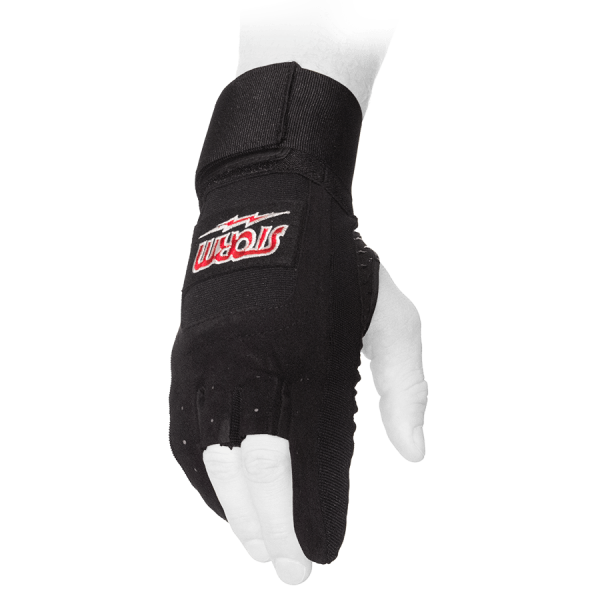
Storm Xtra Grip Plus
The Storm Xtra Grip Plus is one of the most versatile bowling gloves available. It combines grip enhancement with moderate wrist support, which makes it a strong choice for most bowlers. The glove uses a textured gripping surface on the palm and adjustable wrist straps that stabilize the hand without locking it in place.
Storm designed the glove as a “3-in-1” support system that improves grip, supports the wrist, and maintains hand position through release. If you bowl league regularly and want better consistency without moving to a rigid wrist brace, this is one of the safest all-around picks.
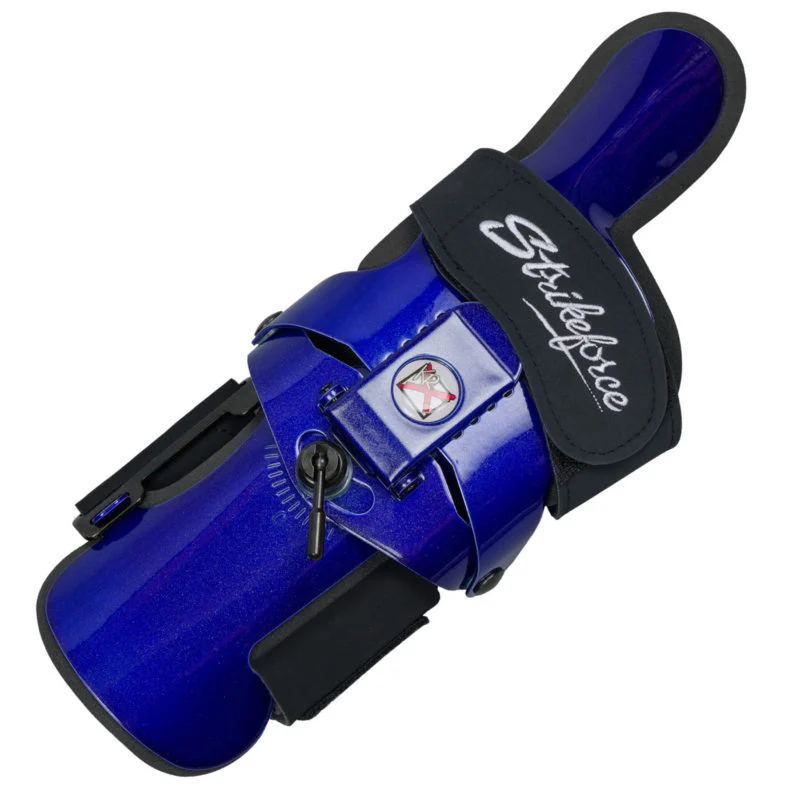
KR Strikeforce Pro Rev 3
The KR Strikeforce Pro Rev 3 focuses on adjustability and strong wrist stabilization. It uses a lightweight duraluminum support system that lets you control forward wrist cup positions and lateral adjustments.
This type of control helps bowlers maintain a consistent release point and axis rotation. Competitive players often prefer this style because it provides structure while still allowing some flexibility in the swing.
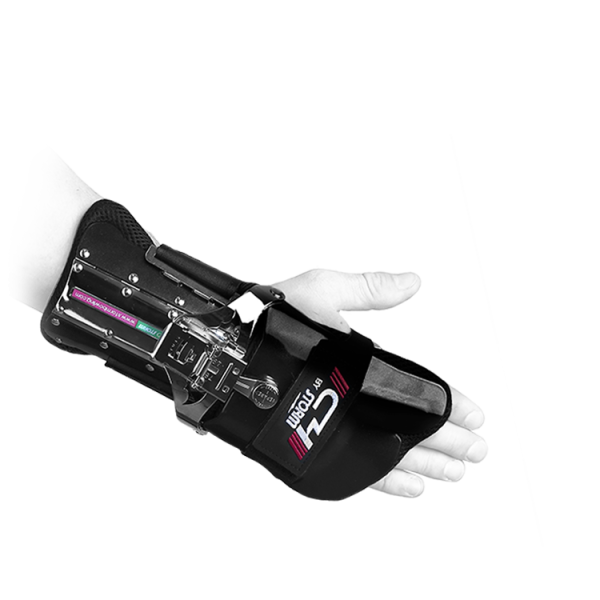
Storm C4 Wrist Brace
The Storm C4 Wrist Brace sits at the premium end of bowling wrist supports. Instead of basic straps, it uses a mechanical adjustment system that allows you to quickly change wrist cup and lateral positioning.
This brace is built for bowlers who want maximum repeatability. The rigid support structure helps maintain wrist position throughout the swing and release, which can improve rev consistency and reduce wrist fatigue during long tournament blocks.
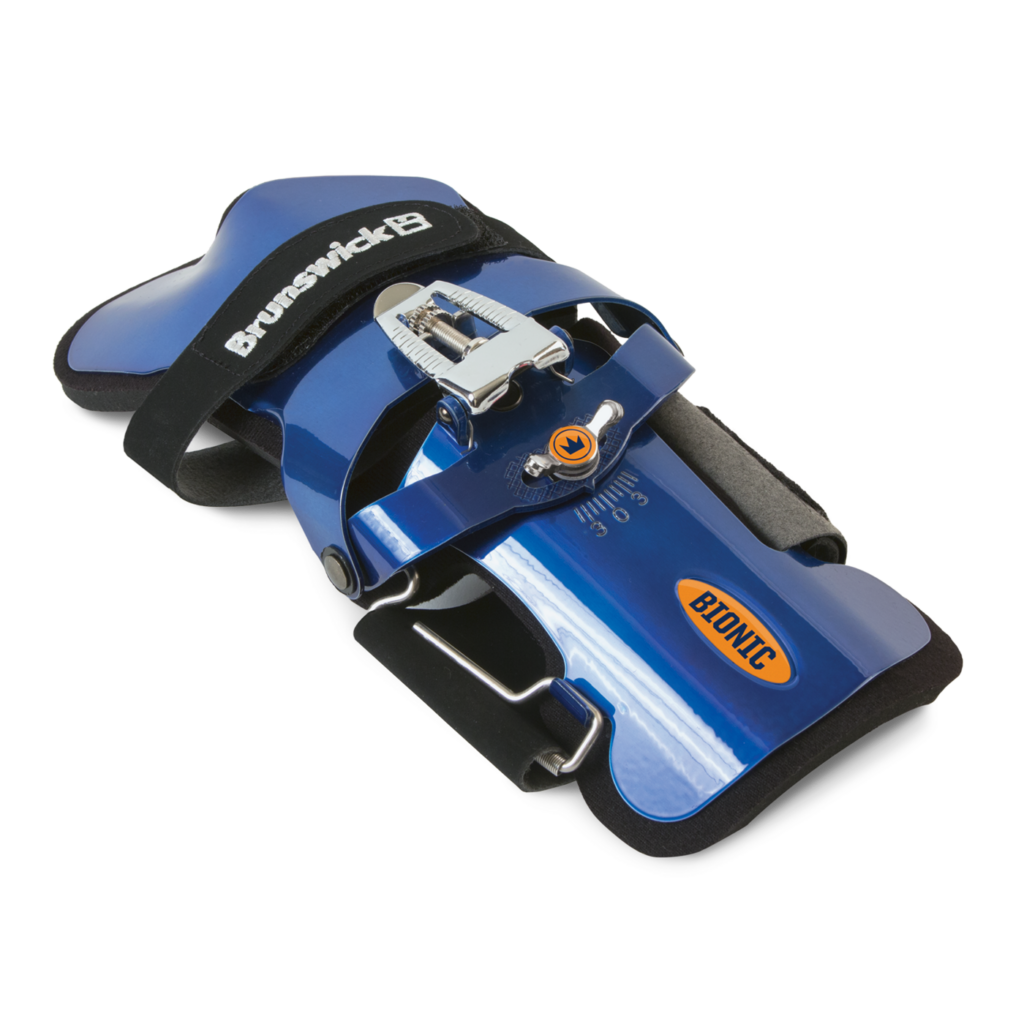
Brunswick Bionic Positioner
The Brunswick Bionic Positioner is a more traditional rigid wrist support device. It uses durable aluminum reinforcement and multiple adjustment points to control wrist cup and hand position.
This style works well for bowlers who want a locked-in wrist position that promotes a strong roll and consistent release. The Bionic Positioner has been used for years by competitive players who prefer a structured support system rather than a flexible glove.
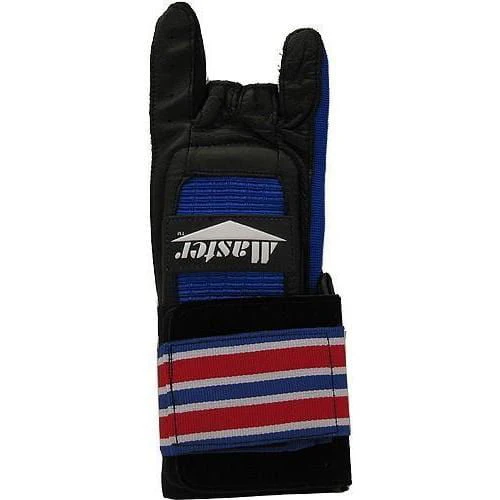
Master Deluxe Wrist Glove
The Master Deluxe Wrist Glove combines a traditional bowling glove with built-in wrist support. It features a leather palm for grip, a spandex backing for flexibility, and reinforced wrist support to help maintain hand position.
This glove is a solid value option. It delivers both traction and support without the higher price of advanced wrist braces, making it a practical choice for league bowlers looking for an upgrade from a basic grip glove.
Proper Use, Maintenance, and Replacement
How to Wear It Correctly
Secure the wrist straps firmly. Your hand should feel supported but not restricted. If your fingers tingle, loosen it.
Cleaning and Care
Most bowling gloves should be hand-washed with mild soap and air-dried. Avoid high heat, which can warp inserts and degrade adhesives.
When It’s Time for a New One
Replace your glove if you notice:
- Loss of wrist stability
- Slick or flattened palm texture
- Frayed stitching near stress points
A worn glove quietly undermines consistency.
The Quiet Advantage of Controlled Hands
There’s something steadying about knowing your hand will be in the right place every time you step on the approach. Not because you forced it there. Not because you squeezed harder. But because you removed one more variable from a game that’s already full of them.
The best bowling gloves in 2026 aren’t about flash. They’re about repeatability. About protecting your wrist in game seven the same way you did in game one. About trusting your release under pressure.
And in bowling, trust is everything.