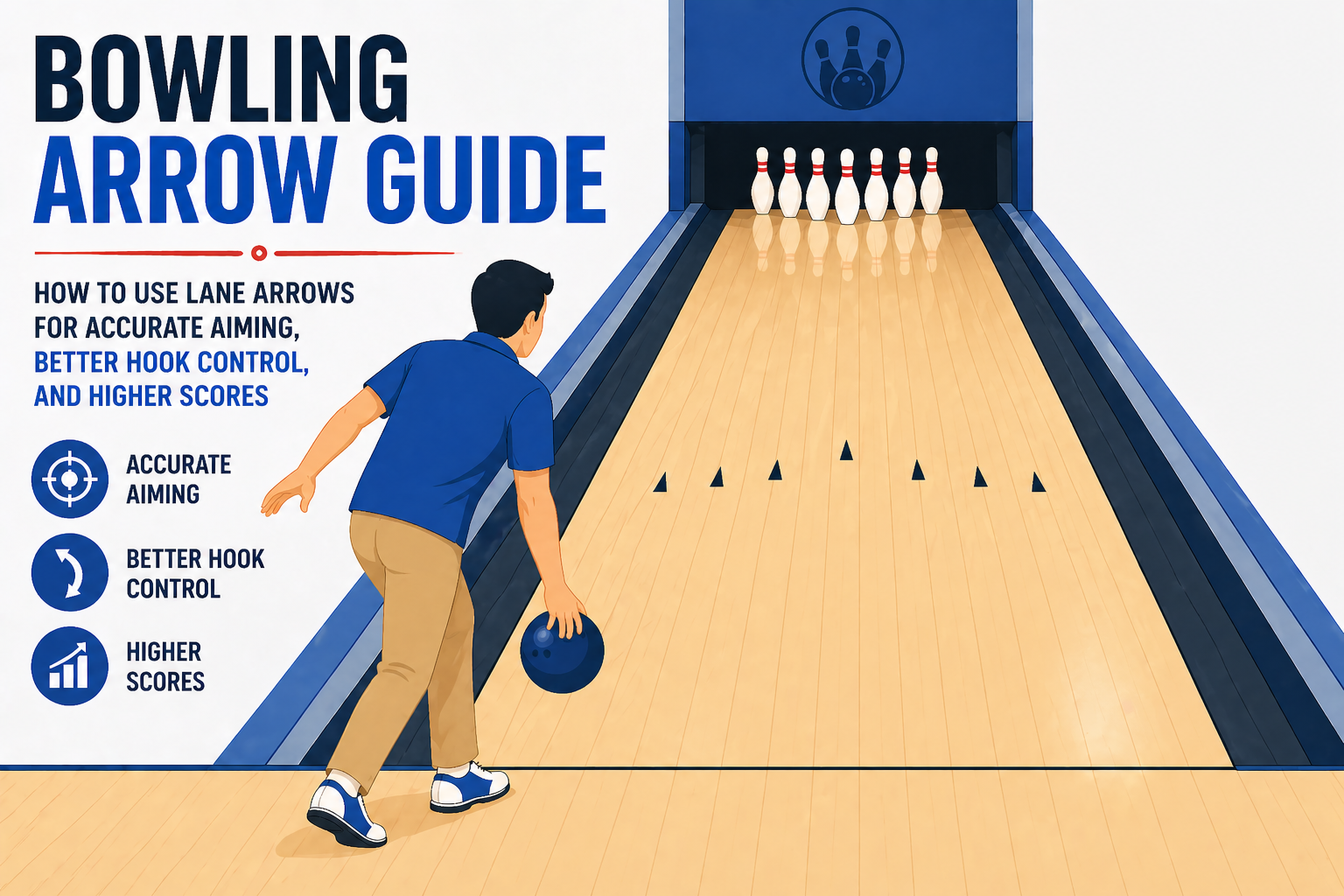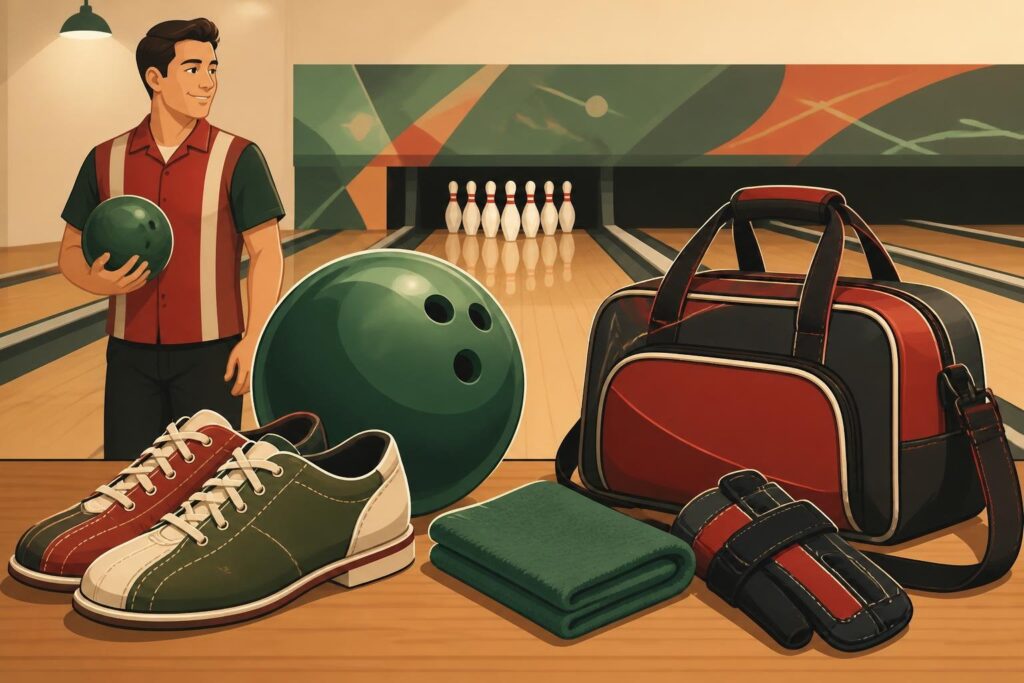
You walk into a bowling center and the scene is almost always the same: a rack of house balls in a few different weights, rental shoes lined up near the counter, and maybe one or two regulars carrying their own bags like they know exactly what they want. If you are new, that setup can make bowling look more complicated than it is. Do you need special gear? Are the house balls good enough? Should you buy shoes before you buy a ball, or the other way around?
The good news is that bowling has a very practical starting point. You do not need a full kit to enjoy your first games, and you do not need to buy everything at once to get better. Most beginners do best when they keep the setup simple, pay attention to fit, and add equipment only when a real need shows up.
If you are asking what basic equipment is needed for bowling, the short answer is this: shoes that let you slide correctly, a ball you can control comfortably, and clothes that do not fight your movement. That is enough to get started. Everything else is secondary until your game gives you a reason to care about it.
The simplest setup that actually works
For your first few games, you do not need to think like a league bowler or a pro-shop customer. You just need the basic pieces that let you move naturally, grip the ball securely, and pay attention to the lane instead of the gear.
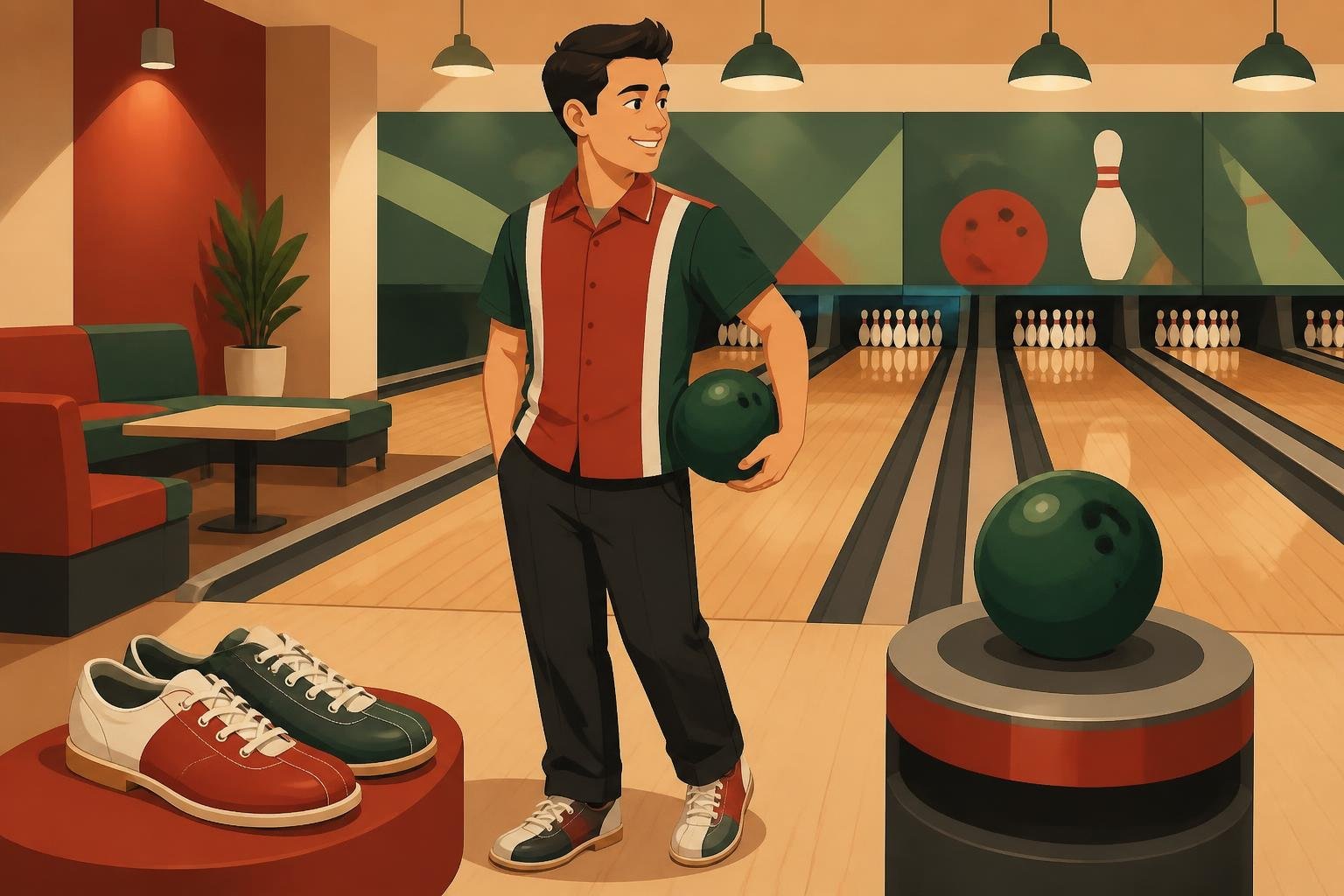
Bowling shoes, a ball, and comfortable clothing
Bowling shoes are the one item worth taking seriously right away. They are made for the approach, which is the smooth runway you walk on before you release the ball. That surface is not the same as the rest of the building, and it is not meant to be handled like a sidewalk. Bowling shoes let one foot slide and the other foot stop in a controlled way. That matters more than people realize, because the last step sets up the release.
A bowling ball is the other obvious piece. For a beginner, that can simply be a house ball, which is the shared ball the center provides. If one fits your hand reasonably well and the weight feels manageable, it is perfectly fine for casual play. You do not need a custom ball before you know whether you will bowl once a month or every week.
Comfortable clothing rounds out the basics. You want room to bend your knees, swing your arm, and step through the shot without feeling pinned down. Jeans that are stiff or too tight can make the approach feel awkward. Athletic pants, loose slacks, or relaxed shorts usually work better because they let you move without thinking about the fabric.
That is the true beginner setup. If you have those three things, you can bowl a game, learn the rhythm, and decide what actually needs improvement.
What the bowling center usually gives you
Most bowling centers are built for casual players. That is one reason the sport is so easy to try. You can walk in without your own equipment and still have everything you need to play.
- House balls in several weights, so you can try different options.
- Rental shoes in standard sizes.
- Lanes, pins, scoring, and seating, which are all part of the experience and not something you need to bring.
That convenience is helpful, especially if you are not sure how often you will bowl. It gives you time to learn what matters before you spend money on gear that may not suit you yet.
What matters more than owning more stuff
A lot of beginners assume better equipment automatically means better scores. Bowling does not work that way. Early on, the important things are consistency and comfort. If your shoes behave the same every time and your ball feels reasonable in your hand, you can focus on your stance, timing, and target. If the gear is awkward, every shot starts with a small fight.
That is why fit beats brand name. A plain house ball that feels good is more useful than a flashy ball that makes you squeeze your hand. A rental shoe that slides well is more useful than a stylish shoe that pinches your toes or sticks on the approach. You are trying to repeat a motion, not impress the rack.
Control matters too. Beginners are often drawn to the idea of a big hook because it looks impressive on other bowlers. But a ball that does something dramatic before you can predict it makes learning harder, not easier. For now, you want a ball that goes where you send it often enough that you can build confidence around it.
Bowling shoes are the one thing you should not shrug off
If you buy nothing else, at least understand the shoes. They are not just part of the dress code. They change how you move, and movement is the whole delivery.
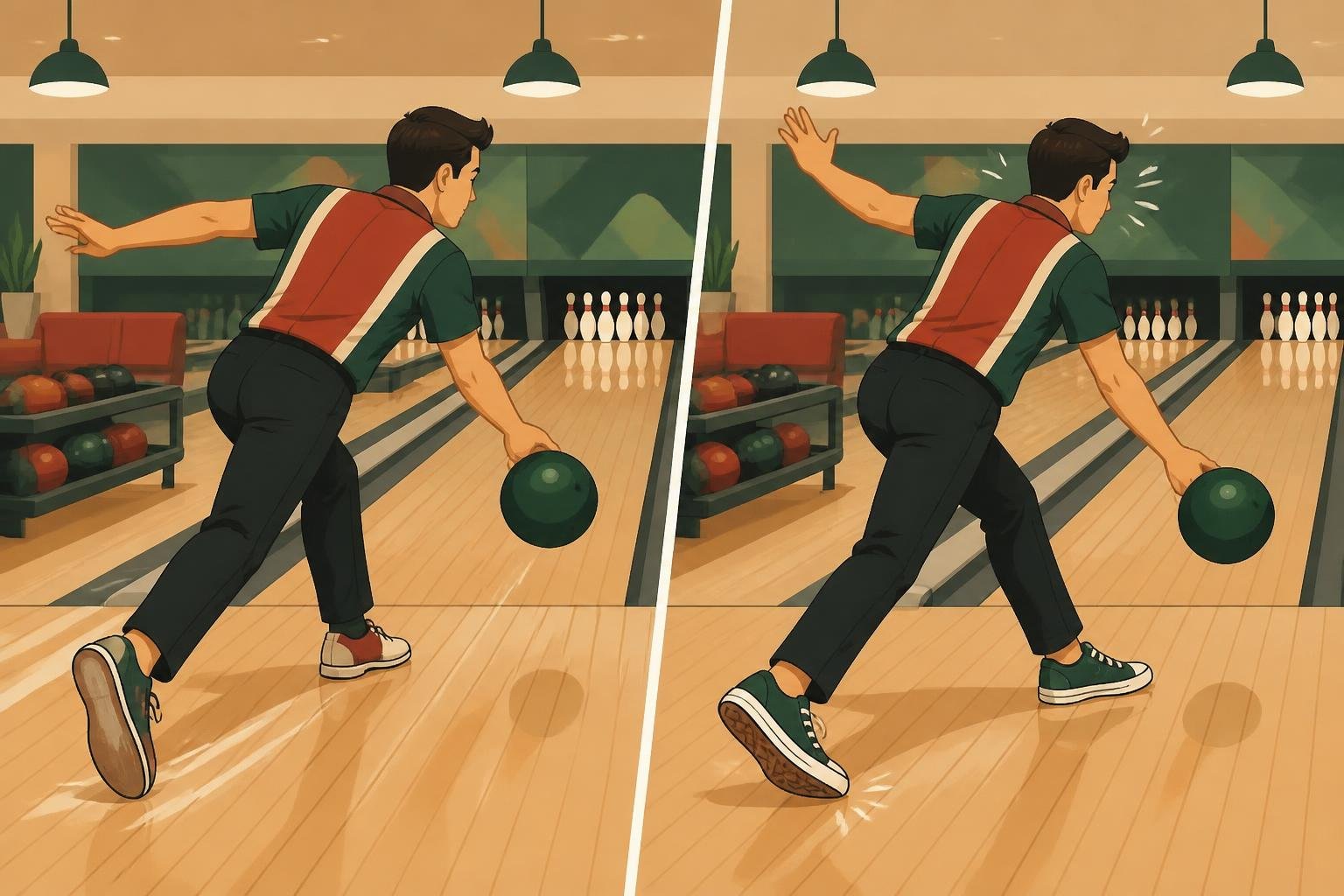
Why bowling shoes are different from everyday shoes
Bowling shoes do two jobs at once. One foot needs to slide. The other needs to help you stop and stay balanced. That blend of glide and grip is part of what makes a release smooth.
Street shoes usually get in the way. Their soles are designed to grip floors, not slide across a polished approach. If your sliding foot catches too hard, your last step can feel jerky or rushed. You may feel like you are braking early, leaning away from the lane, or forcing the ball out of your hand just to keep from stumbling. Even if you do not fall, the motion feels off.
A good bowling shoe lets you get through the approach without thinking about your feet. That is the point. When the shoes do their job, your balance and swing have a better chance to do theirs.
For a plain-language explanation from the sport’s governing body, the United States Bowling Congress has a helpful overview of bowling shoes for entry-level bowlers. It makes the basic point clearly: shoes are part of the delivery, not just something you wear into the building.
Rental shoes or your own pair
Rental shoes are fine for occasional bowling. If you go a few times a year with family or friends, renting is usually the sensible move. It keeps the upfront cost low and lets you see how much you actually bowl before you buy anything.
Your own shoes make sense once bowling becomes a regular habit. The biggest reason is consistency. The slide will feel the same each time instead of depending on whatever pair you are handed at the counter. Comfort is another reason. A shoe built for your foot is usually easier to wear for a full evening. Hygiene also comes up, and if you have ever worn rental shoes that have seen a hundred birthday parties, you probably understand why people buy their own pair.
If you bowl often enough that rentals start feeling like a hassle, shoes are usually the first purchase worth making. They help every time you bowl, even if you are still using house balls.
What to look for in beginner shoes
You do not need to shop like a gear nerd to get a decent pair. A beginner-friendly shoe should do a few things well:
- Fit comfortably with room for socks and natural toe movement.
- Slide smoothly without feeling dangerously slick.
- Hold the heel securely so your foot does not swim around inside.
- Feel stable when you finish your shot.
Some shoes are built for right-handers or left-handers because the sliding and braking surfaces are arranged differently. That matters, but it is not something you need to obsess over before you bowl regularly. The bigger question is whether the shoe works for your approach and feels good on your foot.
What a bad slide feels like
If the shoe is wrong for the approach, you usually notice it fast. Too much grip feels like your shoe is catching instead of gliding. Too much slide can feel like you are trying to land on ice. Both problems distract you from the shot.
A lot of new bowlers think a poor release means they are doing something wrong with their arm. Sometimes that is true. Sometimes the issue starts with the shoes. If your feet and swing feel out of sync, the slide deserves a look before you blame your release.
Can you bowl in sneakers?
Usually no, and even when a center is lenient, sneakers are still a poor substitute. They are built to grip, not to slide in a controlled way. That is why bowling shoes exist in the first place.
Are rental shoes sanitary?
Bowling centers clean rental shoes, and many people use them without a second thought. If hygiene is a concern for you, owning your own pair is the simplest solution. That is a perfectly normal reason to buy shoes once you know you bowl often enough to make the purchase worthwhile.
Choosing a bowling ball without getting lost in the details
The ball is where beginners often overthink things. The shape, color, and terminology can make ball shopping seem more complicated than it is. Start with the part that affects your shot most: fit and weight.
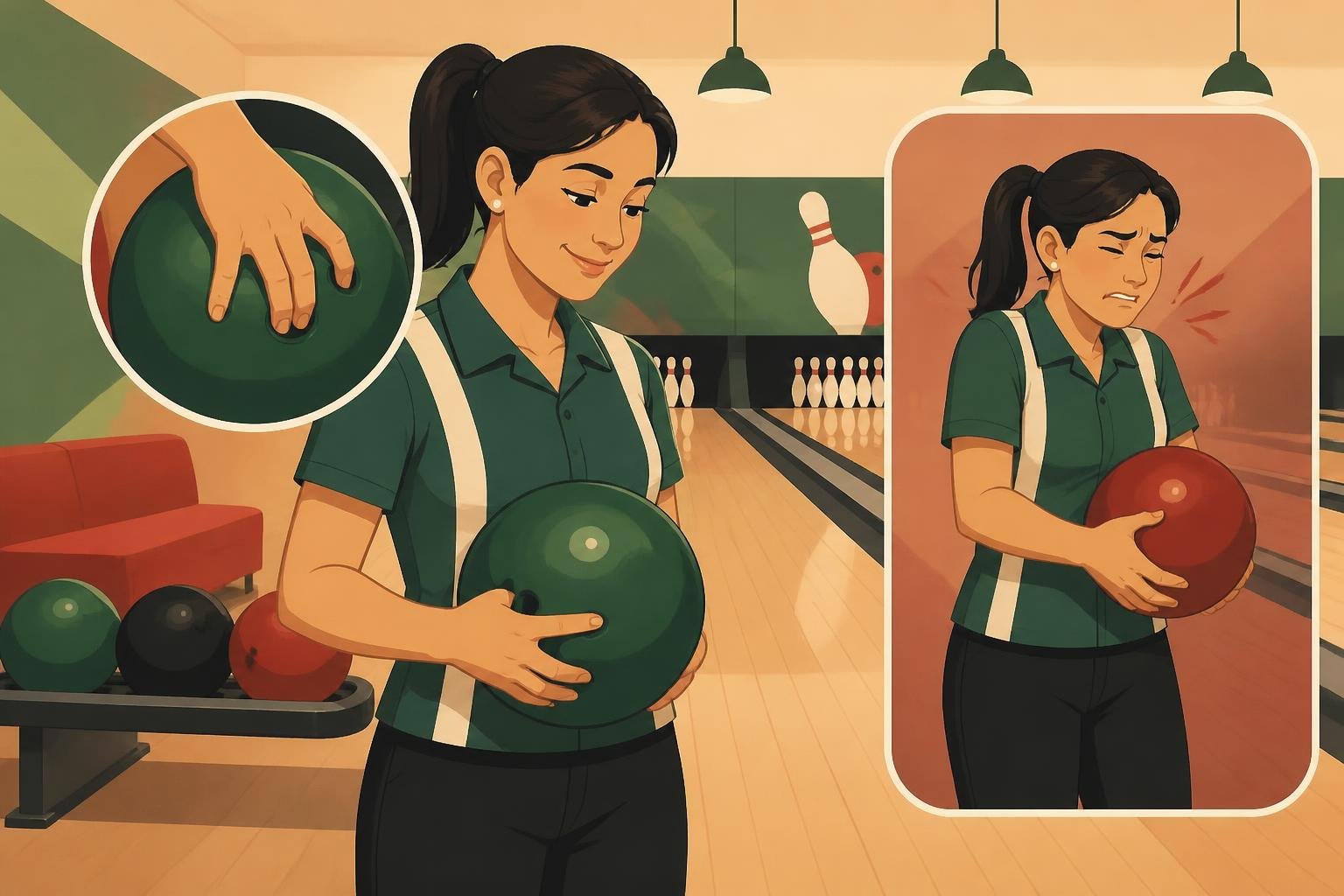
Fit comes first, because the ball should feel natural in your hand
A bowling ball that fits well is easier to release cleanly. Your fingers should go in without a fight. Your thumb should come out without a tug. You should not feel like you are squeezing the ball just to keep hold of it. If you are squeezing, you are already making the release harder than it needs to be.
House balls are made for general use, not for your hand alone. That means the holes are a compromise. One ball may feel good. Another may feel awkward, even if it is the same weight. That is normal. House balls are supposed to be usable by many people, not perfect for one person.
When the fit is reasonable, the ball feels quiet in your hand. You can hold it without clamping down on it. That alone makes a first game more comfortable and gives you a better chance to repeat your swing.
How to think about ball weight
Weight is the second piece, and it matters more than many new bowlers expect. A ball that is too heavy can make your shoulder tense, shorten your swing, or pull your balance forward. You may start muscling it instead of swinging it. That usually leads to late releases, tired shoulders, and a lot of shots that feel heavier than they should.
A ball that is too light has its own problems. It may feel easy to carry, but easy to carry is not the same as easy to control. Some bowlers get better results from a slightly heavier ball because it carries through the swing more naturally and gives better feedback. Others do fine with something lighter because it keeps the motion smooth. There is no single answer that fits everyone.
The useful rule is simple: choose the heaviest ball you can swing naturally without losing balance or tightening up. That is usually a better beginner test than picking a number because it sounds serious.
The USBC’s guidance on ball selection for entry-level bowlers supports that same practical idea, focusing on comfort and control rather than bravado.
House ball or your own ball
House balls are ideal when you are still trying bowling on for size. They are free to use with your rental shoes, they let you try different weights, and they keep the commitment low. If you bowl only a few times a year, a house ball may be all you ever need.
Your own ball starts to matter when you want the same feel every time. That is the big advantage. A custom-drilled ball is fitted around your hand, not around the average hand. The difference is not just technical, it is practical. When the ball fits the same way every time, your release becomes easier to repeat.
That is especially useful if you are moving from casual play into regular practice or league bowling. At that point, small differences in fit start showing up as small differences in scoring. If you want a broader look at the basics that support better scores, these beginner bowling tips can help you connect equipment choices to actual technique.
What a pro shop does for you
A pro shop is where bowlers go for fitting, drilling, adjustments, and general equipment advice. If you have never been in one, think of it as the place that helps make a ball work for your hand instead of against it.
The person helping you may measure your hand, check the span between the finger holes and thumb hole, and talk through how the ball should sit when you grip it. Those words can sound technical, but the goal is simple: make the ball feel natural so you can release it without fighting it.
The USBC’s Fit to Be Tried resource is a good reference if you want to understand why fit matters so much. The plain version is this, a ball that fits well is easier to throw well.
Plastic, urethane, and reactive resin in beginner terms
If you have heard bowlers talk about coverstocks and immediately felt the conversation move away from you, that is normal. The simplest way to think about ball materials is that they influence how much the ball grabs the lane.
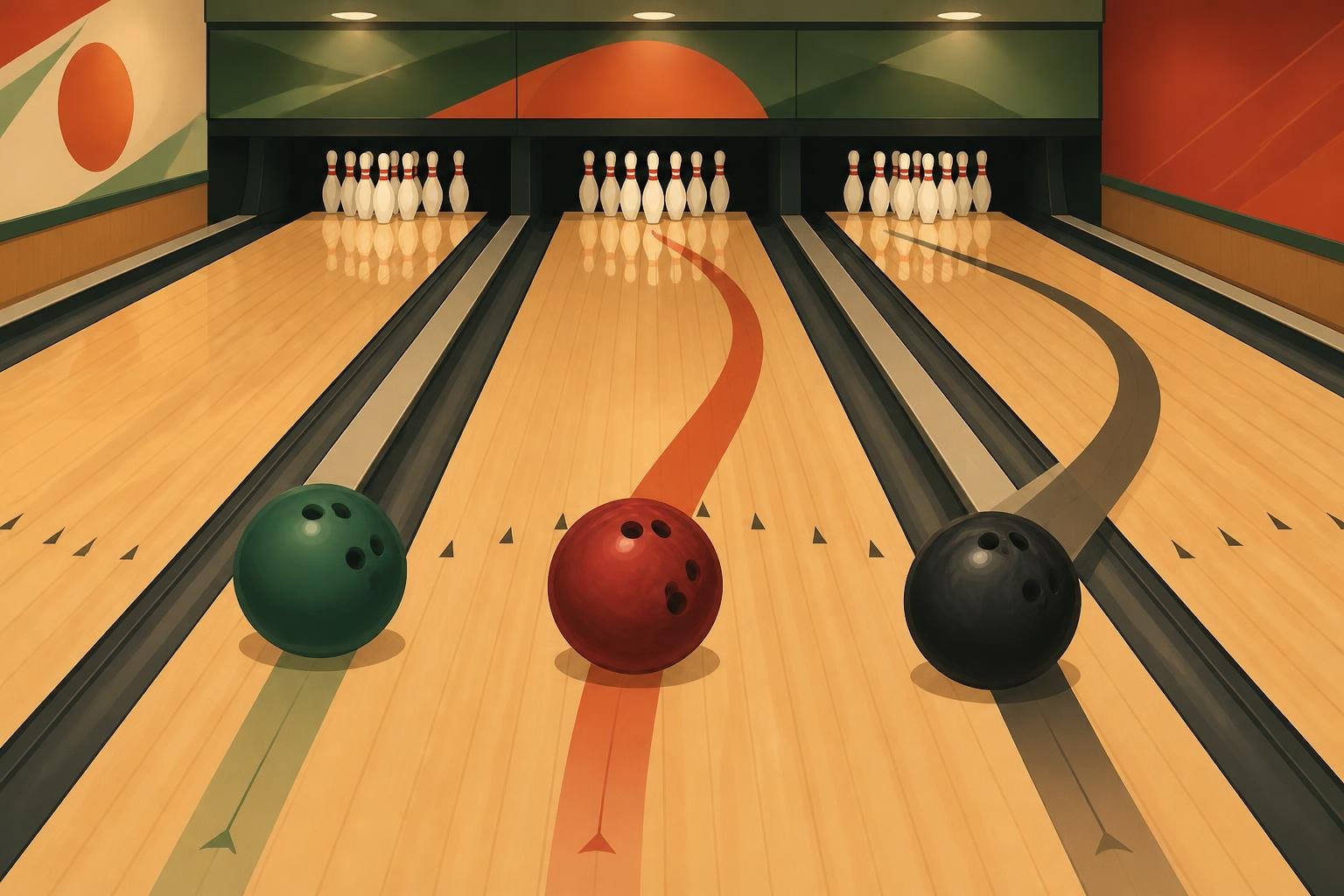
Plastic balls are the easiest place to start. They generally go straighter and are less reactive to lane conditions, which makes them useful for beginners and for spare shooting.
Urethane balls sit in a more specialized middle ground. They give the ball a different feel on the lane and can be useful in certain situations, but most beginners do not need to start there unless a coach or pro-shop professional has a specific reason.
Reactive resin balls are designed to create more motion down lane. That can help more experienced bowlers shape a shot, but it also adds another layer of complexity. For a new bowler, that extra movement can be harder to predict.
Think of that progression as a simple teaching model, not a rigid ladder. You do not have to buy each type in order. It is just a useful way to understand that some balls are calmer and some are more responsive. Beginners usually learn more easily with the calmer option.
The USBC’s bowling ball hierarchy is a helpful reference if you want the broad structure without getting buried in jargon.
Do you need a hook ball right away?
No. Not if you are still learning how to control your line. A lot of new bowlers think a big hook is the first step to scoring well because that is what they notice on more experienced players. In reality, a ball that hooks more aggressively can make the game harder when you are still trying to keep your shots on target.
A simple ball that rolls where you send it is usually the better teacher. Once your release is more repeatable, you can decide whether more ball motion makes sense for your game.
Useful extras that help, once the basics are covered
Once you have shoes and a ball situation sorted out, a few accessories can make bowling more comfortable and consistent. These are helpful additions, not requirements. That distinction matters. A lot of people buy accessories too early because they seem like part of the bowling package. Usually, they are answers to specific problems, not starter items.
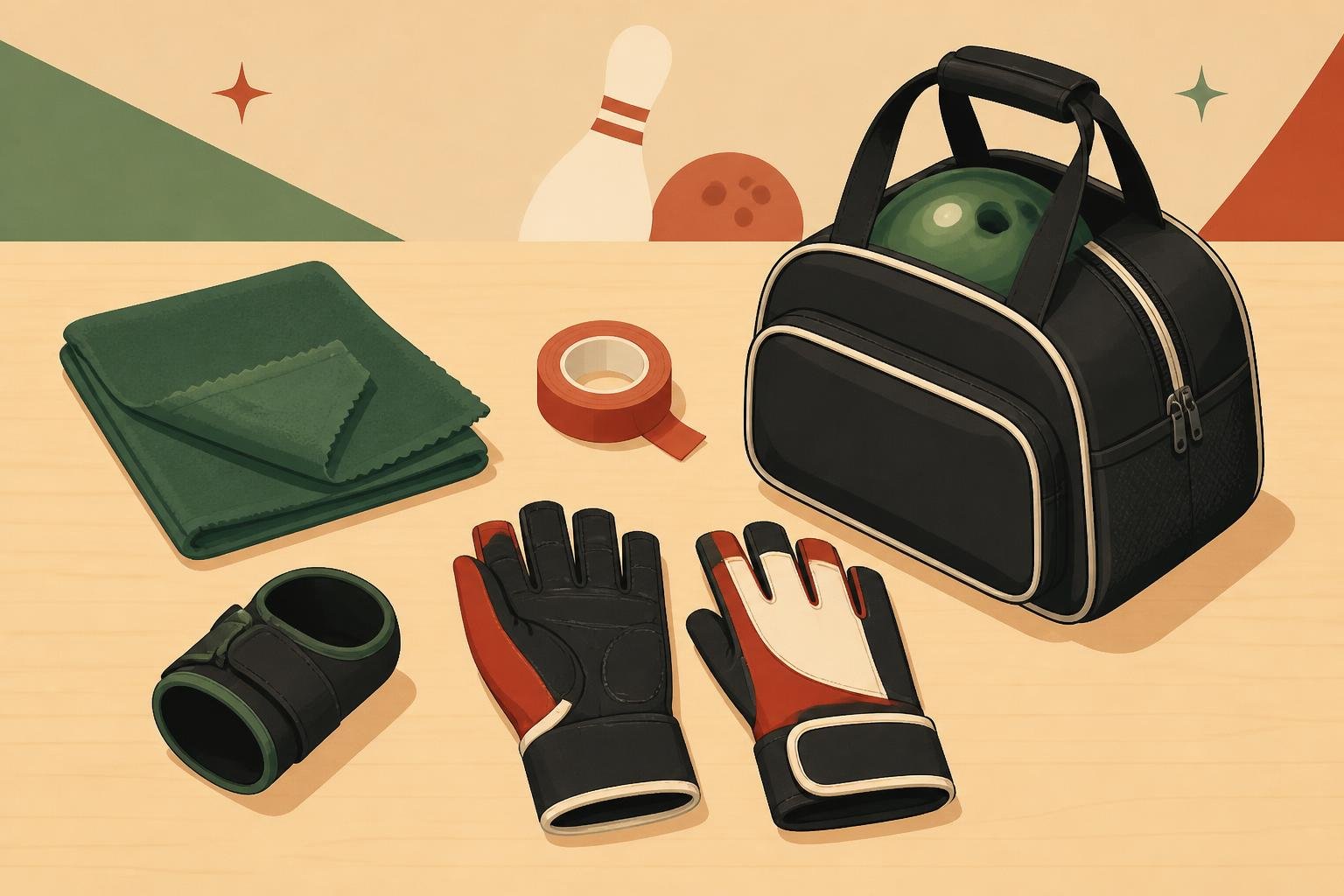
Towels and shammies
Lane oil gets on the ball during play. That is normal. As the ball picks up oil, its surface can change how it reacts on the lane. A towel or shammy gives you a way to wipe the ball between shots so it stays cleaner and behaves more predictably from frame to frame.
This is not a magic fix. A towel will not turn a missed target into a strike. It simply helps keep the ball surface more consistent. For many bowlers, that is reason enough to carry one.
If you want to compare towel styles and understand how bowlers use them, the bowling ball towel guide is a practical next step.
Tape, grips, and other small fit adjustments
Once you own a ball, you may notice that the fit changes slightly over the course of a session. Your hand can swell a little. It can also get drier, which changes the feel of the release. That is when tape can be useful.
Thumb tape and finger tape are small fixes for small problems. If the hole feels just a little loose, a little tight, or inconsistent after a few games, tape can help fine-tune the feel. Beginners do not need to start with tape, but it is a useful tool once you can tell what feels off and why.
Wrist supports and gloves
Some bowlers use wrist supports to help keep the hand in a comfortable position through the swing. Others like gloves because they change how the ball feels in the hand or help them maintain a consistent grip. These items can be useful, but they are not automatic beginner purchases.
The best way to think about them is this: they solve specific issues. If you do not have that issue yet, you probably do not need the fix. If you do, a support or glove may help a great deal. That is why they are better treated as tools than as status symbols.
If you are wondering how those pieces fit into the bigger picture, this guide to bowling gloves and wrist support gives a useful overview.
A simple bag
Once you own shoes or a ball, a bowling bag starts making sense quickly. It keeps your gear together and saves you from carrying loose items from the car to the counter. If all you own is a pair of shoes and a towel, a simple tote is usually enough. If you own a ball, shoes, and a few accessories, a small one-ball bag works well for most bowlers.
You do not need a tournament-sized bag to get started. In fact, carrying too much gear before you know why you need it is one of the easiest ways to make bowling feel more serious than it needs to be.
What you can wait on
Many beginners spend money too early on things they do not yet understand. You can wait on multiple balls, specialized cleaners you have not learned to use, and extra accessories that do not solve a clear problem. High-end performance gear is also easy to overbuy before your game has reached the point where it matters.
The smarter move is to let your bowling tell you what it needs. If your shoes slide too much, deal with the shoes. If your ball does not fit, address the fit. If your hand needs help staying steady, then look at support gear. Buying first and asking questions later usually leads to a drawer full of things you do not use.
How your gear needs change depending on how you bowl
Not every bowler needs the same setup. That is important, because a lot of bad advice comes from people talking to the wrong kind of bowler. A casual family night, a weekly league, and a serious practice routine all ask for different levels of consistency.
If you bowl mainly for fun
If bowling is mostly a social outing, rentals are usually enough. There is nothing wrong with that. If you go only a few times a year, you can keep the setup simple and still enjoy yourself.
The first purchase that usually pays off is shoes, especially if you start bowling often enough to notice the difference between pairs. After that, a personal ball only makes sense if the house balls never fit comfortably or if you want a more predictable feel every time you bowl.
For casual players, the goal is not to build a collection. It is to remove the little annoyances that make the game harder than it needs to be.
If you bowl with kids or family
Family bowling comes with its own set of realities. Different hand sizes, different strength levels, and different attention spans all matter. In that setting, the simplest equipment choices usually work best.
Matching each person to a ball they can actually control is more useful than trying to use one ball for everybody. That is especially true for kids. A ball that is too heavy or too awkward in a child’s hand makes the game harder and less fun. If the goal is to keep everyone engaged, comfort and control matter more than matching colors or using the same weight across the group.
Bowling is supposed to feel accessible in that setting. If the gear makes it feel like a test, the family night loses the point.
If you are joining a league
League bowling raises the value of consistency. Once you bowl regularly and keep score over a season, small differences in shoes, fit, and ball response start mattering more. You do not need a dozen items to be ready for league play, but the pieces you do own should behave the same way each time you use them.
That is where owning shoes becomes close to standard and a properly fitted ball becomes much more useful. It is also where a pro-shop conversation becomes more valuable, because the goal shifts from simply playing the game to repeating a shot under more consistent conditions.
If you are thinking about joining a team, it helps to understand how bowling leagues work so you can see where gear matters and where it still does not need to be complicated.
If you are trying to improve
When your main goal is to bowl better, the best equipment changes are usually the ones that make your shot repeatable. That could mean shoes that slide the same way every time. It could mean a ball that fits your hand well enough that you stop squeezing it. It could mean a towel so the surface stays cleaner during a session.
Notice the pattern there. The helpful gear is the gear that makes your release and your approach easier to repeat. That is what improves scoring over time. Not flash. Not hype. Repetition.
A beginner buying plan that keeps things simple
If you want a practical way to think about purchases, use a step-by-step approach. It keeps you from buying gear out of order and helps you spend money where it actually makes a difference.
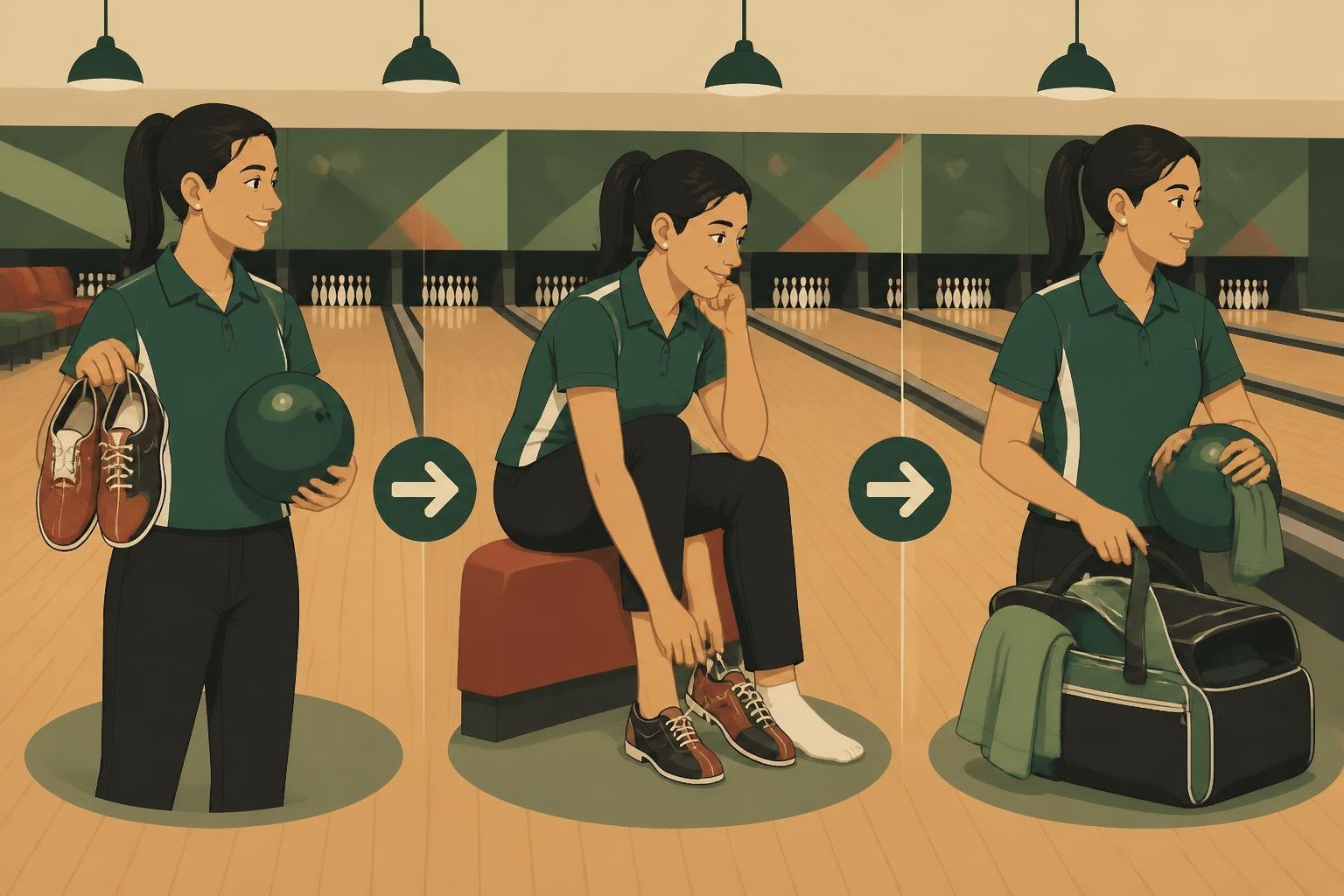
Step one, get through your first games
- Rental or house shoes.
- A house ball that does not hurt your hand.
- Comfortable clothes you can move in.
That is enough to bowl. You do not need to build a kit before you are ready to use it.
Step two, buy the first things that solve real problems
- Shoes that fit and slide properly.
- A ball that matches your hand better than the rack ball does.
- A small bag if you want an easier way to carry your gear.
This is the stage where your setup starts to feel personal instead of borrowed. For many bowlers, shoes are the first real upgrade, because they affect every approach. A personal ball comes next when you are ready for more consistent fit.
Step three, fine-tune the things you notice
- Tape for small fit adjustments.
- A towel or shammy for ball maintenance.
- Optional support gear if you actually need it.
By this point, your equipment should be responding to your game, not the other way around. That is when accessories start making sense.
The simplest test before you buy
Before you spend money, ask yourself three questions:
- Does it fit?
- Can I control it?
- Will I actually use it often enough to matter?
If the answer to one of those is no, wait. Bowling already asks you to manage your approach, target, release, and spare shooting. Your gear should make that easier, not add another puzzle.
What most beginners get wrong about bowling gear
A lot of first-time bowlers make the same few mistakes. The upside is that they are easy to avoid once you know what to look for.
Buying for looks instead of fit
Color is fun. That is fine. But a ball that looks great and feels bad in your hand is still a bad choice. The same is true for shoes. If the fit is wrong, the gear becomes a distraction instead of a help.
Thinking heavier automatically means better
Many new bowlers assume a heavier ball is the mark of a more serious bowler. It is not. Heavier only helps if you can swing it smoothly and keep your balance. If it makes your shoulder tighten up, it is too much.
Buying a complicated ball before learning the basics
Some beginners jump to a ball that hooks a lot because they have seen experienced bowlers do it well. That can backfire. If you are still learning how to send the ball on line, a more aggressive ball can make the lane feel less predictable. A simpler ball is often easier to learn with.
Overbuying accessories too early
It is easy to collect tape, gloves, cleaners, supports, and bags before you know whether you need them. Most of the time, the first answer is much simpler than that. Solve the fit problem first. Then decide whether anything else is actually limiting your game.
What basic equipment is needed for bowling, in one clean answer
If you want the shortest useful answer, here it is: for most beginners, you need bowling shoes, a ball that fits your hand well enough to control, and clothes that let you move comfortably. In many cases, the center will provide the ball and shoes, which means you can start without buying anything at all.
That is the practical part of bowling that often gets overlooked. You do not need a complex setup to have a good time or to improve. You need equipment that stays out of your way while you learn how to stand, step, swing, and release the ball consistently.
Once those basics make sense, the rest of the gear becomes easier to judge. You will know whether you need your own shoes, whether a house ball is still fine, whether a towel helps, and whether a custom fit is worth it yet. That is a much better place to be than buying first and hoping the equipment figures it out for you.